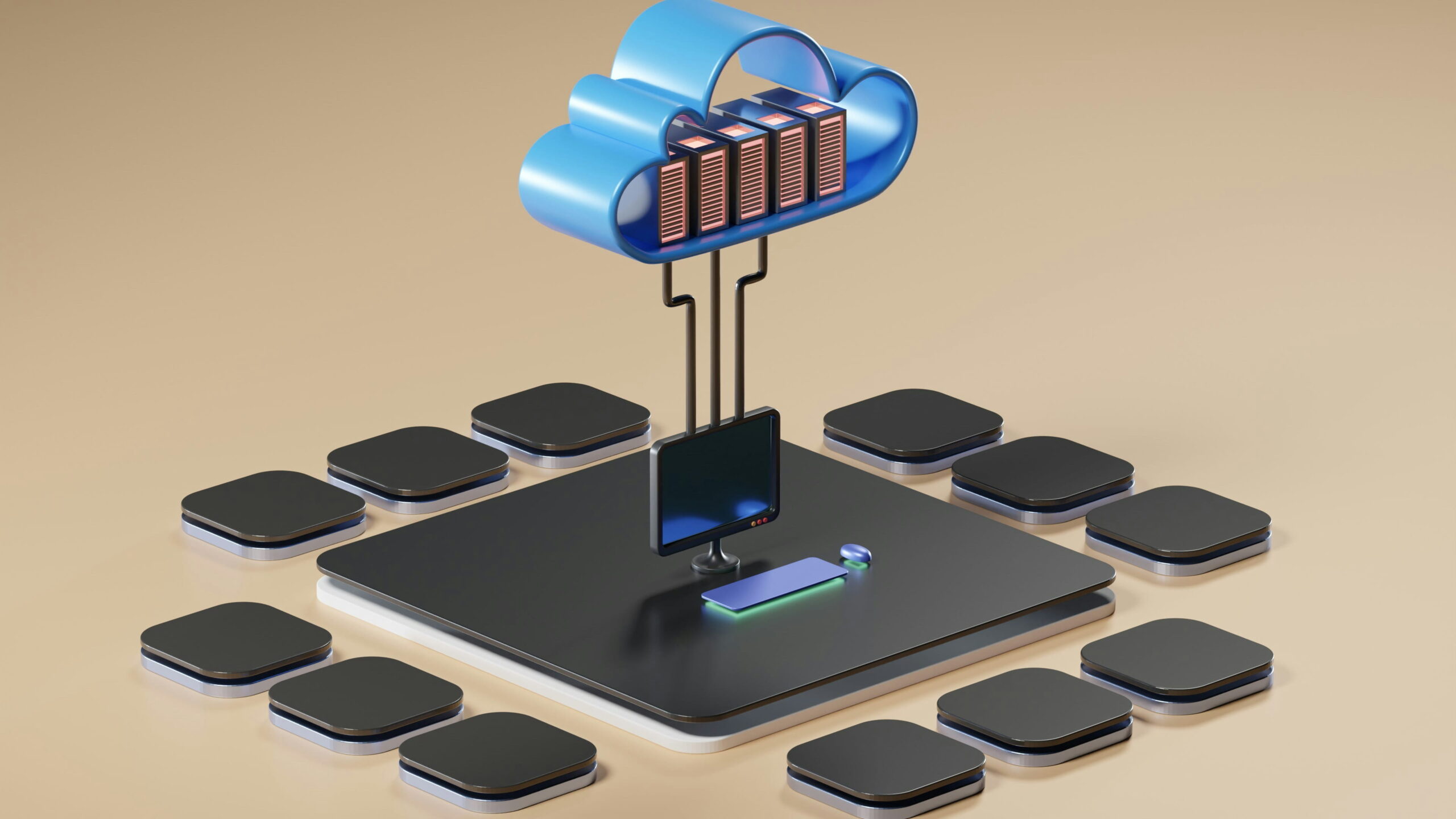
Cloud Computing in (2026): Trends, Security & Future Scope
Cloud computing (2026) is no longer just a technical upgrade for IT teams. It has become the silent engine running the modern digital world. From artificial intelligence systems to online banking, e-commerce stores, smart cities, and remote work platforms, cloud technology supports almost everything we use today. What began as a way to save money on hardware has grown into the backbone of global digital infrastructure. Businesses, hospitals, governments, and universities are moving to the cloud faster than ever to stay competitive. As technology continues to evolve, understanding cloud computing trends, security updates, and future opportunities is more important than ever.
What Is Cloud Computing in 2026?
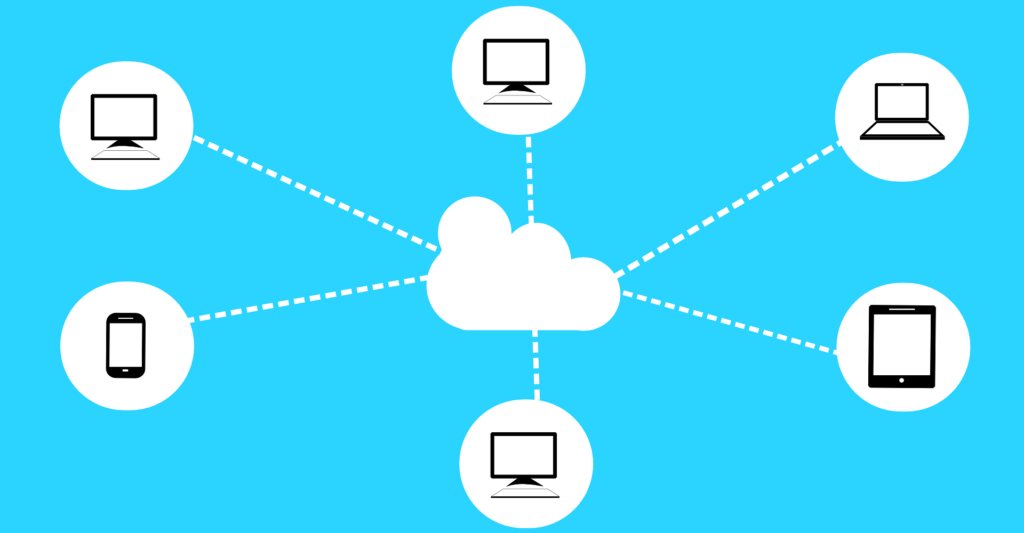
Cloud computing in 2026 refers to delivering computing services over the internet instead of relying on on-premise servers and physical infrastructure. These services include cloud storage, databases, networking, software applications, and data processing, all accessible on demand. Rather than investing in costly hardware and ongoing maintenance, businesses can scale resources as needed and follow a flexible pay-as-you-go pricing model.
Today’s modern cloud platforms go far beyond simple data storage. They enable organizations to automate workflows, deploy applications faster, and integrate advanced technologies like artificial intelligence (AI), machine learning, and big data analytics. Companies also use cloud-based tools to improve collaboration, allowing teams to work securely from anywhere in the world.
Because of this, cloud computing has become a foundational part of digital transformation strategies across industries. It supports innovation, improves operational efficiency, and helps businesses stay competitive in a rapidly evolving technology landscape. As cloud technology continues to advance in 2026, it plays a critical role in powering scalable, secure, and intelligent business operations.
Cloud Service Models in 2026: IaaS, PaaS, and SaaS Explained
Cloud computing is built on three core service models: Infrastructure as a Service (IaaS), Platform as a Service (PaaS), and Software as a Service (SaaS). Each model offers a different level of control, flexibility, and management, allowing businesses to choose what best fits their technical needs and growth strategy.
Infrastructure as a Service (IaaS) provides on-demand access to essential computing resources such as virtual servers, storage, and networking. It is the most flexible model, giving businesses full control over their applications and operating systems while the cloud provider handles the underlying hardware and infrastructure. This makes IaaS ideal for companies that need scalability without investing in physical servers.
Platform as a Service (PaaS) takes things a step further by offering a complete development and deployment environment in the cloud. Developers can build, test, and launch applications without worrying about managing servers, storage, or system updates. As a result, PaaS speeds up development cycles and simplifies application management, making it a popular choice for modern software teams.
Software as a Service (SaaS) delivers fully functional applications through a web browser, eliminating the need for installation or maintenance. Common examples include email platforms, customer relationship management (CRM) systems, and collaboration tools. SaaS solutions are easy to use, automatically updated, and accessible from anywhere, which makes them essential for remote work and day-to-day business operations.
Together, these cloud service models create a flexible ecosystem that supports everything from infrastructure management to application delivery. Because of this, businesses can scale efficiently, reduce IT complexity, and accelerate their digital transformation journey in 2026 and beyond.
Cloud Deployment Models: Public, Private, Hybrid, and Multi-Cloud
There are different ways organizations use the cloud. Public cloud services are shared and managed by third-party providers. Private clouds are dedicated to a single organization for better control and security. Hybrid cloud combines public and private systems. Multi-cloud means using services from more than one provider. In 2026, hybrid and multi-cloud strategies are becoming more popular because they offer flexibility, better risk management, and stronger disaster recovery options.
Why 2026 is a Turning Point for Cloud Computing
By 2026, cloud computing has reached a mature stage. Most organizations have already moved to the cloud. Now, they focus on improving performance, security, and cost management. The rise of artificial intelligence, growing cyber threats, sustainability goals, and 5G expansion are shaping new cloud strategies. Cloud platforms are now smarter, faster, and more automated than ever before.
AI-Powered Cloud Infrastructure in 2026
In 2026, AI-powered cloud infrastructure has become a core driver of efficiency, reliability, and scalability in modern IT environments. Instead of relying solely on manual monitoring, businesses now use artificial intelligence and machine learning in cloud computing to manage systems proactively and intelligently.
AI-driven tools continuously analyze workloads and automatically scale resources up or down based on real-time demand. This dynamic resource allocation helps optimize performance while reducing unnecessary costs. At the same time, advanced algorithms monitor system health, detect unusual patterns, and identify potential performance issues long before they impact users.
Because of this predictive capability, organizations can move from reactive troubleshooting to proactive cloud management. AI systems can even trigger automated responses, such as reallocating resources or isolating vulnerabilities, to prevent downtime and maintain seamless operations.
As a result, intelligent cloud infrastructure not only improves system reliability but also enhances user experience and operational efficiency. In an increasingly digital landscape, businesses that leverage AI in the cloud gain a significant advantage by ensuring their platforms remain fast, resilient, and ready to scale at any moment.
Hybrid and Multi-Cloud Strategy Growth
Many organizations now spread their systems across multiple cloud environments. This reduces the risk of depending on one provider. If one system fails, others can continue running. It also helps companies meet data regulations in different countries. Because businesses operate globally, flexible cloud strategies are more important than ever.
Edge Computing and 5G Integration
Edge computing processes data closer to where it is created instead of sending everything to a central data center. This reduces delays and improves real-time performance. With more IoT devices and faster 5G networks, industries like healthcare, manufacturing, and finance rely heavily on edge computing connected to the cloud. This setup improves speed and user experience.
5G Edge Computing Security Risks in 2026
In 2026, the growth of 5G networks is accelerating the adoption of edge technology alongside cloud computing. Instead of sending all data to centralized cloud servers, edge systems process information closer to devices. Because of this, cloud computing becomes faster and more efficient for real-time applications like smart cities, IoT devices, and autonomous systems. However, this shift also creates new security risks. With more connected devices, the number of potential attack points increases. Therefore, organizations using cloud computing must focus on stronger security measures such as encryption, device authentication, and continuous monitoring to protect data in distributed environments.
Serverless Computing and Containerization Trends in 2026
Modern applications in 2026 are designed for speed, flexibility, and scale. Two key innovations driving this shift are serverless computing and containerization, both of which are transforming how software is built, deployed, and managed in the cloud.
Serverless computing allows developers to run applications without provisioning or maintaining servers. Instead of managing infrastructure, teams focus entirely on writing code while the cloud provider handles scaling, availability, and execution. With a pay-per-execution pricing model, businesses only pay when their applications run, making serverless architecture both cost-efficient and highly scalable. This approach is especially useful for event-driven applications, APIs, and microservices.
At the same time, containerization technology enables developers to package applications along with their dependencies into lightweight, portable units called containers. These containers can run consistently across different environments, from development to production, eliminating compatibility issues. As a result, containerized applications are easier to deploy, update, and scale across cloud platforms.
Because of this, the combination of serverless architecture and container-based deployment is accelerating modern application development. Organizations can release features faster, improve system reliability, and maintain greater consistency across environments. In 2026, these technologies play a central role in cloud-native development, helping businesses build agile, efficient, and future-ready applications.
Green Cloud Computing and Sustainable Data Centers
Sustainability is now a major priority. Cloud providers are investing in renewable energy and energy-efficient data centers. Many businesses choose cloud vendors based on environmental impact as well as cost and performance. Green cloud computing helps companies reduce their carbon footprint while staying competitive.
Multi-Cloud Strategy 2026
In 2026, a multi-cloud strategy is becoming a critical pillar of enterprise IT infrastructure as organizations seek greater flexibility, security, and cost optimization. Instead of relying on a single provider, businesses are combining platforms like Amazon Web Services, Microsoft Azure, and Google Cloud to reduce vendor lock-in and improve performance across global markets. Because of rising cybersecurity threats and compliance requirements, companies are distributing workloads across multiple cloud environments to enhance resilience and disaster recovery. As a result, multi-cloud architecture in 2026 supports AI workloads, hybrid work models, edge computing, and real-time data analytics while ensuring scalability and business continuity. Organizations investing in multi-cloud management tools and cloud security frameworks are gaining a competitive advantage in today’s rapidly evolving digital economy.
Cloud Security in 2026: Zero Trust and AI Protection
As cloud adoption accelerates across industries, cyber threats are evolving just as quickly. In 2026, modern cloud security strategies are built around the Zero Trust security model, a framework that assumes no user, device, or application should be trusted by default. Instead of relying on a secure perimeter, every access request is continuously verified based on identity, behavior, and context.
Organizations are strengthening their defenses with multi-factor authentication (MFA), strict identity and access management (IAM), and least-privilege access policies that limit users to only what they truly need. In addition, continuous monitoring and real-time threat detection help security teams identify unusual activity before it turns into a breach.
A major shift in 2026 is the integration of AI-powered cybersecurity tools. These systems analyze massive volumes of data to detect anomalies, predict potential attacks, and automate responses. As a result, businesses can respond faster to threats while reducing human error. This combination of Zero Trust architecture and AI-driven protection is becoming essential for securing sensitive data, maintaining compliance, and building trust in cloud-based systems.
Because of this, cloud security is no longer just an IT concern, it is a core part of business resilience and digital trust in an increasingly connected world.
AI-Driven Threat Detection and Ransomware Protection
Artificial intelligence also helps fight cyberattacks. AI systems detect unusual behavior, identify threats, and respond quickly. Businesses use encryption, secure backups, and strict identity controls to prevent ransomware attacks. These measures protect sensitive information and keep operations running smoothly.
Benefits of Cloud Computing for Businesses in 2026
Cloud computing has become a strategic advantage for businesses looking to stay agile, efficient, and competitive. One of its biggest strengths is flexibility. Organizations can scale resources up or down instantly based on demand, whether handling seasonal traffic spikes or expanding operations. This level of on-demand scalability ensures optimal performance without overpaying for unused capacity.
Another major benefit is cost efficiency. Instead of investing heavily in physical infrastructure, businesses use a pay-as-you-go cloud pricing model, which reduces upfront capital expenses and ongoing maintenance costs. This allows companies, especially startups and growing enterprises, to allocate resources more effectively.
Cloud platforms also play a key role in enabling remote work and global collaboration. Teams can securely access applications and data from anywhere, improving productivity and communication across locations. Because of this, organizations can build more flexible and distributed work environments.
In addition, cloud computing accelerates product development and innovation. With access to advanced tools such as data analytics, artificial intelligence, and automated deployment pipelines, businesses can develop, test, and launch products faster. As a result, they can respond quickly to market changes and customer needs.
Overall, the benefits of cloud computing in 2026 go beyond cost savings. It empowers businesses to scale efficiently, innovate rapidly, and maintain a strong position in increasingly competitive digital markets.
Cloud Computing Challenges in 2026
Despite its advantages, cloud computing is not without challenges. Security mistakes, complex migration from older systems, reliance on vendors, and lack of skilled professionals can create difficulties. Organizations need proper planning, employee training, and strong security practices to overcome these issues.
Future Scope of Cloud Computing
The future of cloud computing looks strong. Industries like healthcare, education, banking, and government continue increasing cloud investments. There is high demand for cloud engineers, DevOps experts, cloud security specialists, and AI cloud architects. Learning cloud skills and earning certifications can open strong career opportunities.
Cloud, Artificial Intelligence, and Quantum Innovation in 2026
In 2026, the convergence of cloud computing, artificial intelligence (AI), and quantum innovation is shaping the next era of digital transformation. Cloud platforms are no longer just infrastructure providers, they act as powerful ecosystems that enable organizations to build, train, and deploy AI-driven applications at scale. From advanced data analytics to intelligent automation, the cloud provides the computing power and flexibility required to turn complex data into actionable insights.
At the same time, machine learning and AI technologies rely heavily on cloud infrastructure for processing vast datasets and running sophisticated models. Businesses use cloud-based AI tools to improve decision-making, personalize customer experiences, and streamline operations. Because of this tight integration, cloud and AI are evolving together as core pillars of modern technology strategies.
Another emerging frontier is quantum computing in the cloud. While still in its early stages, cloud platforms are already providing access to experimental quantum systems and simulation tools. This allows researchers and enterprises to explore complex problems in areas like cryptography, drug discovery, and optimization without needing specialized hardware.
As a result, the cloud is becoming the backbone of next-generation innovation, supporting everything from AI-powered automation to quantum research. Its scalability, accessibility, and continuous evolution ensure that it will remain central to future technological breakthroughs, helping businesses and researchers push the boundaries of what’s possible.
Preparing for the Future of Cloud Computing
Organizations that want to stay ahead should strengthen security with Zero Trust models, invest in employee training, and adopt hybrid or multi-cloud systems. They should also monitor costs and stay updated with compliance regulations. Careful planning ensures long-term growth and stability.
Conclusion
Cloud computing in 2026 is smarter, more secure, and more sustainable. It supports innovation across industries and drives global digital transformation. Organizations that use cloud technology strategically will gain long-term advantages.The cloud is no longer just an option. It is the foundation of the digital future.

Noman Akram is the Founder and Editor-in-Chief of TWT News. He is a technology journalist with 5+ years of experience covering artificial intelligence, AI in healthcare, blockchain, cloud computing, and cybersecurity. He built TWT News to make complex emerging technologies understandable for professionals, students, and business leaders. Based in UK (United Kingdom), his reporting covers global tech developments with a focus on real world impact.
Very Informative.