

Cloud Computing in 2026: Trends, Security & Future Scope
Cloud computing 2026 is no longer just a technical upgrade for IT teams. It has become the silent engine running the modern digital world. From artificial intelligence systems to online banking, e-commerce stores, smart cities, and remote work platforms, cloud technology supports almost everything we use today. What began as a way to save money on hardware has grown into the backbone of global digital infrastructure. Businesses, hospitals, governments, and universities are moving to the cloud faster than ever to stay competitive. As technology continues to evolve, understanding cloud computing trends, security updates, and future opportunities is more important than ever.
What is Cloud Computing in 2026?
Cloud computing means using computing services over the internet instead of owning physical servers and equipment. These services include storage, databases, networking, software, and data processing. Instead of buying and maintaining expensive hardware, businesses rent what they need and pay only for what they use. In 2026, cloud platforms do much more than store data. They help companies automate tasks, run artificial intelligence tools, analyze large amounts of data, and connect teams worldwide. Because of this, cloud computing has become essential for modern business operations.
Cloud Service Models: IaaS, PaaS, and SaaS
Cloud services are divided into three main models. Infrastructure as a Service gives businesses access to virtual servers, storage, and networking. Companies manage their applications, but the provider manages the hardware. Platform as a Service provides a ready-made environment for developers to build and launch applications quickly. Software as a Service allows users to access software directly through a web browser without installing anything. Examples include email tools, CRM systems, and collaboration platforms. These models make technology easier to manage and scale.
Cloud Deployment Models: Public, Private, Hybrid, and Multi-Cloud
There are different ways organizations use the cloud. Public cloud services are shared and managed by third-party providers. Private clouds are dedicated to a single organization for better control and security. Hybrid cloud combines public and private systems. Multi-cloud means using services from more than one provider. In 2026, hybrid and multi-cloud strategies are becoming more popular because they offer flexibility, better risk management, and stronger disaster recovery options.
Why 2026 is a Turning Point for Cloud Computing
By 2026, cloud computing has reached a mature stage. Most organizations have already moved to the cloud. Now, they focus on improving performance, security, and cost management. The rise of artificial intelligence, growing cyber threats, sustainability goals, and 5G expansion are shaping new cloud strategies. Cloud platforms are now smarter, faster, and more automated than ever before.
AI-Powered Cloud Infrastructure in 2026
Artificial intelligence now helps manage cloud systems. AI tools automatically adjust resources when demand increases. They detect performance issues early and fix problems before users notice them. This reduces downtime and improves efficiency. Instead of waiting for something to break, businesses can prevent problems in advance.
Hybrid and Multi-Cloud Strategy Growth
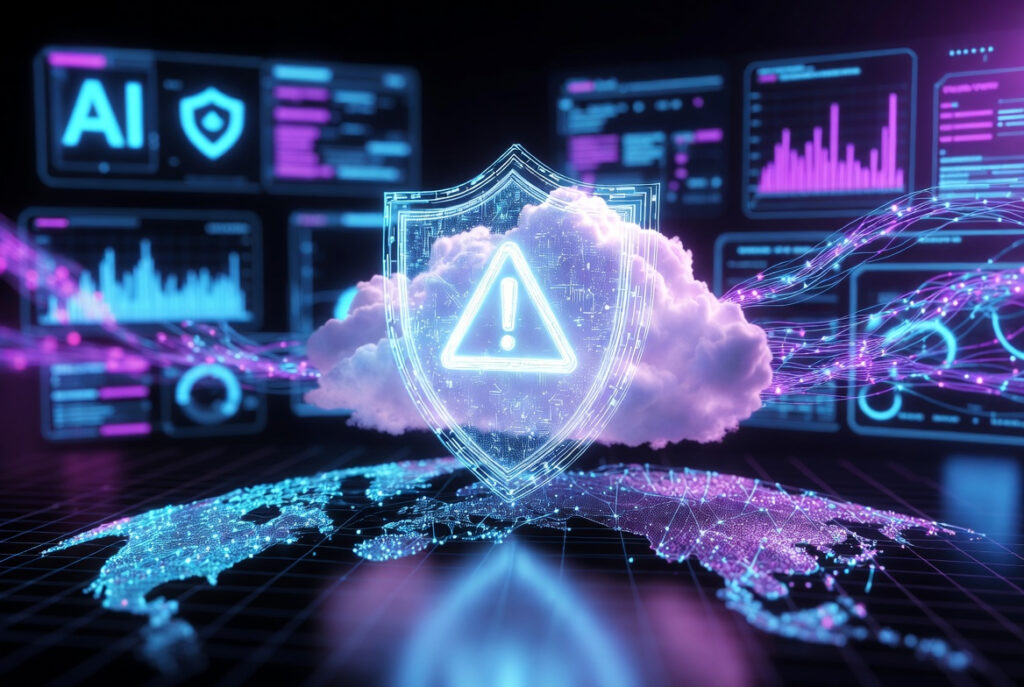
Many organizations now spread their systems across multiple cloud environments. This reduces the risk of depending on one provider. If one system fails, others can continue running. It also helps companies meet data regulations in different countries. Because businesses operate globally, flexible cloud strategies are more important than ever.
Edge Computing and 5G Integration
Edge computing processes data closer to where it is created instead of sending everything to a central data center. This reduces delays and improves real-time performance. With more IoT devices and faster 5G networks, industries like healthcare, manufacturing, and finance rely heavily on edge computing connected to the cloud. This setup improves speed and user experience.
5G Edge Computing Security Risks in 2026
In 2026, the growth of 5G networks is accelerating the adoption of edge technology alongside cloud computing. Instead of sending all data to centralized cloud servers, edge systems process information closer to devices. Because of this, cloud computing becomes faster and more efficient for real-time applications like smart cities, IoT devices, and autonomous systems.
However, this shift also creates new security risks. With more connected devices, the number of potential attack points increases. Therefore, organizations using cloud computing must focus on stronger security measures such as encryption, device authentication, and continuous monitoring to protect data in distributed environments.
Serverless Computing and Containerization Trends
Modern applications are built differently today. Serverless computing allows developers to run applications without managing servers. They pay only when the application runs. Container technology helps developers package applications so they work smoothly anywhere. These tools make software development faster and more efficient.
Green Cloud Computing and Sustainable Data Centers
Sustainability is now a major priority. Cloud providers are investing in renewable energy and energy-efficient data centers. Many businesses choose cloud vendors based on environmental impact as well as cost and performance. Green cloud computing helps companies reduce their carbon footprint while staying competitive.
Multi-Cloud Strategy 2026
In 2026, a multi-cloud strategy is becoming a critical pillar of enterprise IT infrastructure as organizations seek greater flexibility, security, and cost optimization. Instead of relying on a single provider, businesses are combining platforms like Amazon Web Services, Microsoft Azure, and Google Cloud to reduce vendor lock-in and improve performance across global markets. Because of rising cybersecurity threats and compliance requirements, companies are distributing workloads across multiple cloud environments to enhance resilience and disaster recovery. As a result, multi-cloud architecture in 2026 supports AI workloads, hybrid work models, edge computing, and real-time data analytics while ensuring scalability and business continuity. Organizations investing in multi-cloud management tools and cloud security frameworks are gaining a competitive advantage in today’s rapidly evolving digital economy.

Cloud Security in 2026: Zero Trust and AI Protection
As cloud usage grows, so do cyber threats. Security in 2026 focuses on a “Zero Trust” approach. This means no user or device is trusted automatically. Every access request must be verified. Companies use strong authentication methods, limited access permissions, and continuous monitoring to protect data.
AI-Driven Threat Detection and Ransomware Protection
Artificial intelligence also helps fight cyberattacks. AI systems detect unusual behavior, identify threats, and respond quickly. Businesses use encryption, secure backups, and strict identity controls to prevent ransomware attacks. These measures protect sensitive information and keep operations running smoothly.
Benefits of Cloud Computing for Businesses
Cloud computing offers flexibility and cost savings. Businesses can increase or decrease resources instantly based on demand. They avoid large upfront investments in hardware. Cloud systems also support remote work, improve collaboration, and speed up product development. This helps companies grow faster in competitive markets.
Cloud Computing Challenges in 2026
Despite its advantages, cloud computing is not without challenges. Security mistakes, complex migration from older systems, reliance on vendors, and lack of skilled professionals can create difficulties. Organizations need proper planning, employee training, and strong security practices to overcome these issues.
Future Scope of Cloud Computing
The future of cloud computing looks strong. Industries like healthcare, education, banking, and government continue increasing cloud investments. There is high demand for cloud engineers, DevOps experts, cloud security specialists, and AI cloud architects. Learning cloud skills and earning certifications can open strong career opportunities.
Cloud, Artificial Intelligence, and Quantum Innovation
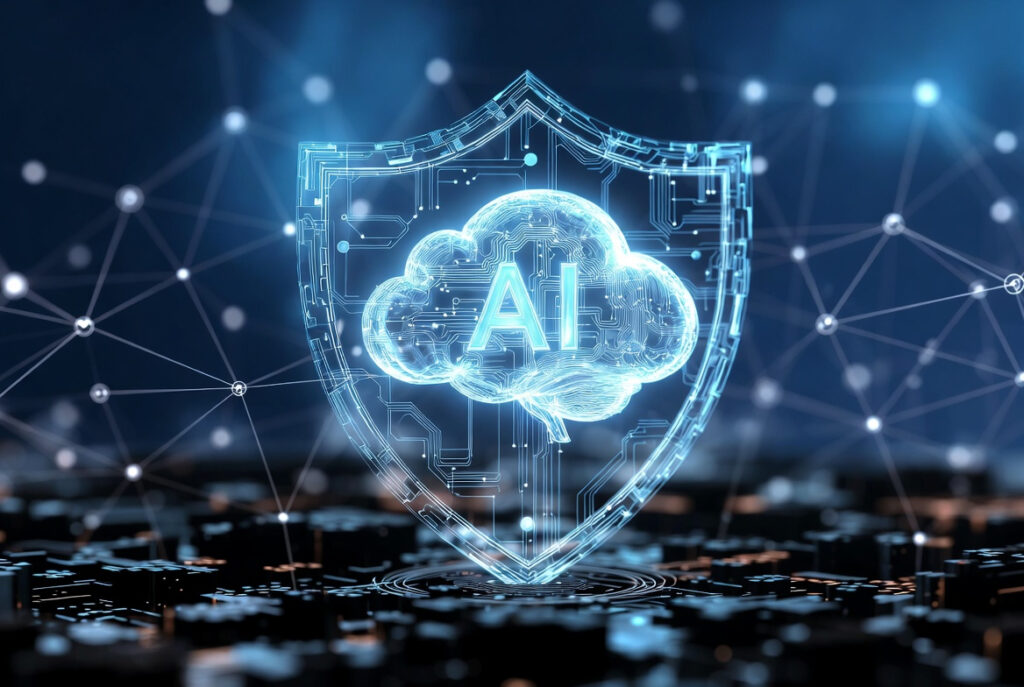
Cloud platforms will continue working closely with artificial intelligence technologies. Advanced analytics, automation, and even early-stage quantum computing research depend on cloud infrastructure. The cloud will remain the foundation for future technological breakthroughs.
Preparing for the Future of Cloud Computing
Organizations that want to stay ahead should strengthen security with Zero Trust models, invest in employee training, and adopt hybrid or multi-cloud systems. They should also monitor costs and stay updated with compliance regulations. Careful planning ensures long-term growth and stability.
Conclusion: The Transformative Power of Cloud Computing in 2026
Cloud computing in 2026 is smarter, more secure, and more sustainable. It supports innovation across industries and drives global digital transformation. Organizations that use cloud technology strategically will gain long-term advantages.The cloud is no longer just an option. It is the foundation of the digital future.