
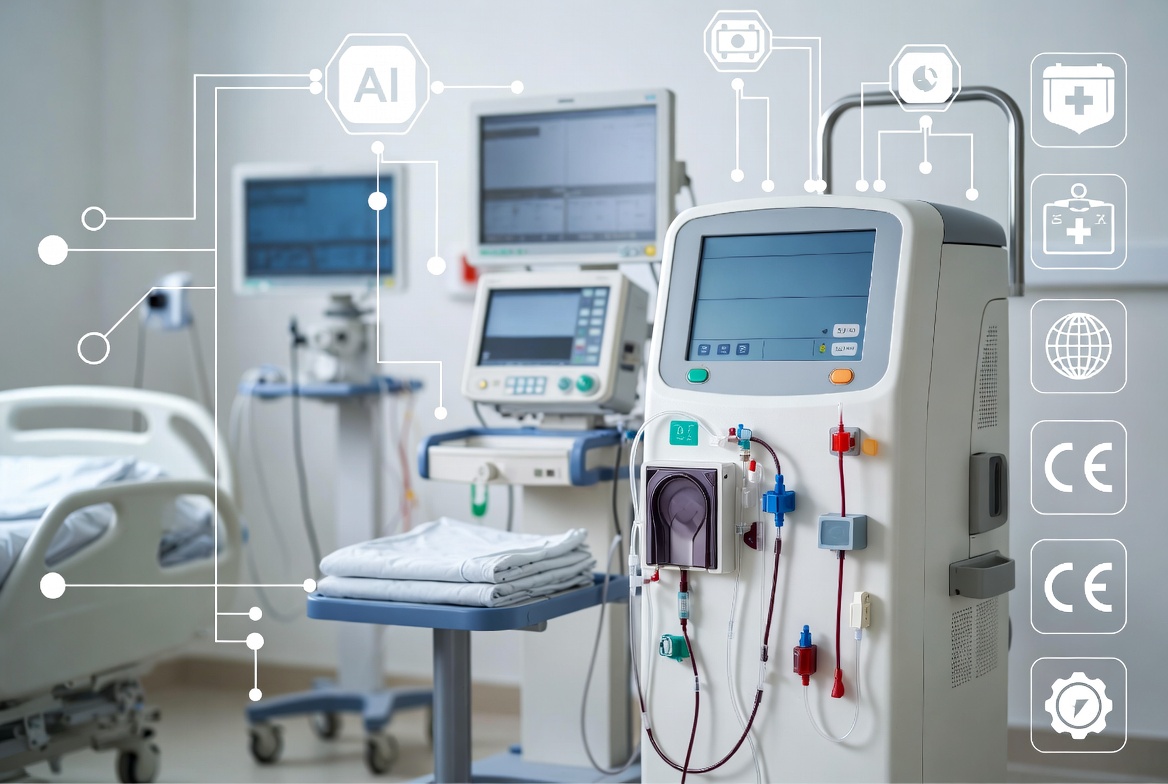
New Delhi — India’s Lords Mark Industries Ltd., in partnership with Renalyx, has won approval to make AI-based haemodialysis machines under Class C medical device rules. The approval also comes with a global CE mark. This step strengthens India’s role in medical device innovation and high-risk healthcare technology.
What this AI-based haemodialysis machines approval means
Lords Mark Industries now has a licence from the Central Drugs Standard Control Organisation (CDSCO) to produce Class C smart haemodialysis machines. Class C devices are life-sustaining and carry high risk if not safe. With CE certification, these machines meet strict European safety and quality standards.
This dual approval makes Lords Mark one of the few global firms able to make this class of advanced devices. It also supports India’s push to rely less on imports for critical healthcare tools
Why AI matters in haemodialysis machines
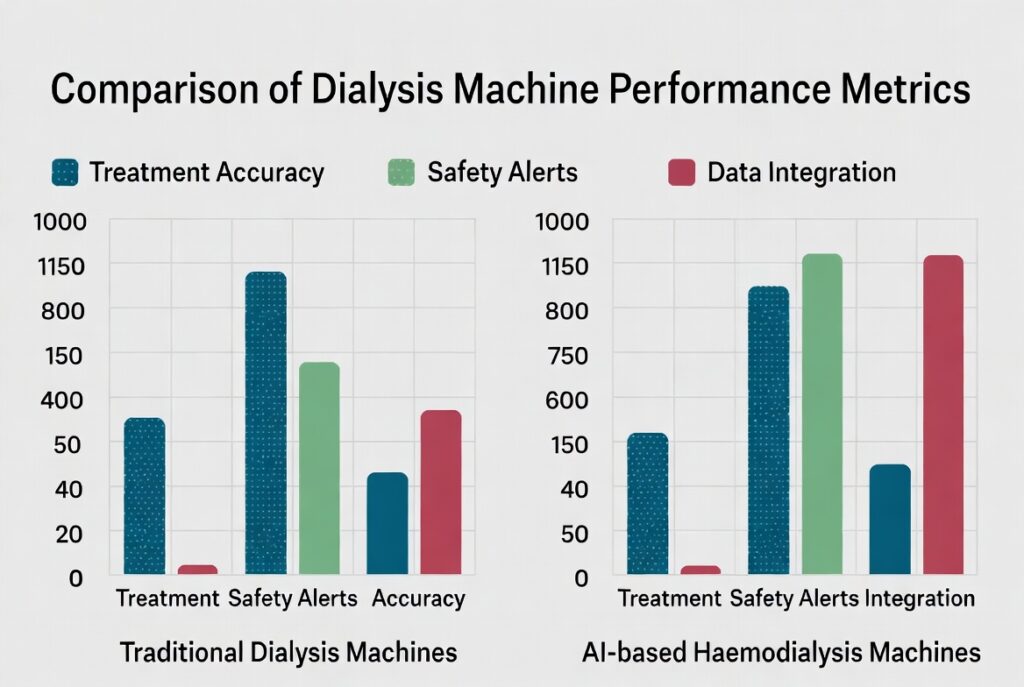
Modern dialysis machines use data and automated controls to guide treatment. Those labelled AI-based haemodialysis machines can adjust fluid removal, monitor vital markers, and alert clinicians to possible issues. These features help make care more precise and safer for patients with chronic kidney disease.
Hospitals can use machine data to tune treatments, reduce human errors, and help nephrologists make fast decisions. In countries with rising renal disease rates, such tools can improve outcomes and reduce costs.
Real-world patient benefit
For people needing long-term dialysis, machine performance can directly affect health. Faster alarms and adaptive treatment settings mean fewer complications during sessions. Therefore, the rise of AI-enabled monitoring in these systems marks a clear step toward quality care improvements.
Industry perspective
Sachidanand Upadhyay, Managing Director of Lords Mark Industries Ltd., said this approval is more than a licence. He noted it shows India’s ability to compete with global med-tech leaders and deliver high-quality, safe devices. Such devices can help hospitals reduce dependency on foreign equipment while boosting local research and manufacturing. The Economic Times
Broader healthcare context
India faces a growing burden of chronic kidney disease. Dialysis centres are limited, and many regions rely on imported machines. With AI-based haemodialysis machines now approved for local production, supply resilience and technology access can improve significantly.
Local production aligned with international standards can also help exports and increase global competitiveness in the med-tech sector
“Securing both the licence and CE mark not only supports India’s healthcare self-reliance, but also signals trust in advanced AI-based haemodialysis machines to improve patient outcomes,” said Sachidanand Upadhyay, Managing Director, Lords Mark Industries Ltd. The Economic Times
What to watch next
Healthcare groups and hospitals will soon assess how these machines perform in real settings. Watch for announcements about rollout plans, hospital pilot programs, and clinical safety data. These steps will shape adoption pace and patient access. The Economic Times