

Facts Revealed In Epstein Files :
10 Revealing Facts Hidden in the Epstein Files : The Epstein files have captured global attention because they reveal complex legal, financial, and social issues. Specifically, these files—which include court documents, depositions, and flight logs—offer a glimpse into a high-profile case that has long been shrouded in secrecy. Moreover, understanding these files helps readers see the bigger picture without relying on rumors or speculation.
By focusing on verified records, we aim to explain the significance of these documents clearly and responsibly. Furthermore, the public interest in these unsealed documents highlights the need to understand legal processes, evidence handling, and the balance between transparency and privacy in sensitive cases.
What Does the Name Epstein Mean: Origins and Meaning Explained
The surname Epstein has its roots in Ashkenazi Jewish heritage and is traditionally believed to originate from the town of Eppstein in Germany. Historically, it was used to identify families who came from or were associated with this region. The name Epstein is often interpreted to mean “stone” or “rock,” reflecting the German word “Stein,” which is commonly found in many Jewish surnames.
Understanding what the name Epstein means provides historical and cultural context, helping readers appreciate its origins and significance beyond contemporary associations. While the name has become widely recognized due to high-profile cases, its etymology reflects a rich heritage tied to geography, culture, and family lineage.
What Are the Epstein Files ?
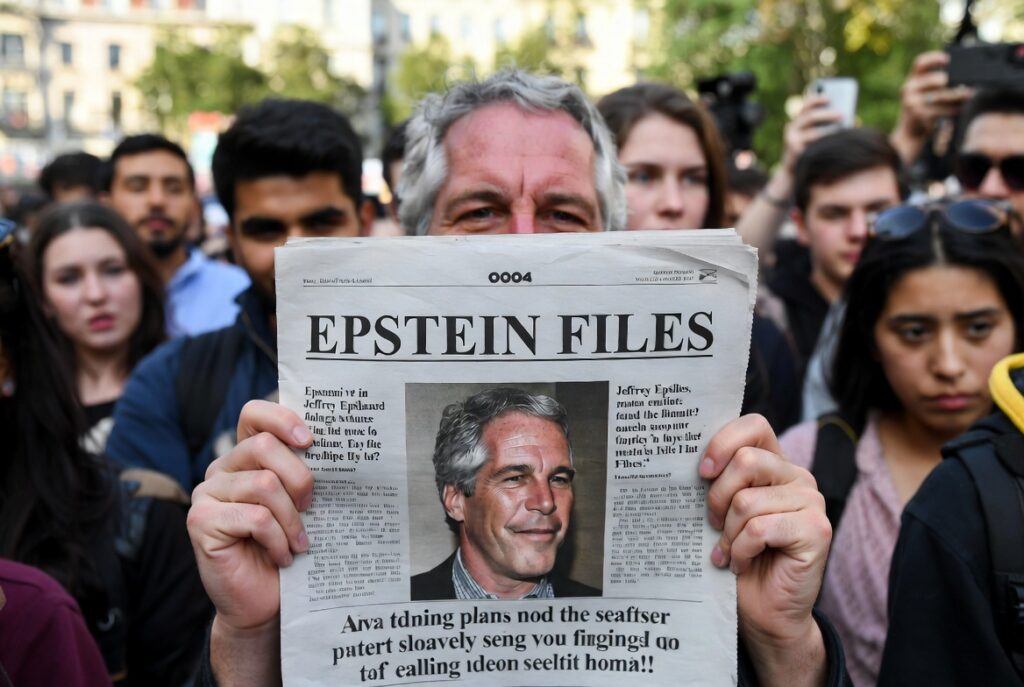
The term “Epstein files” refers to a collection of legal documents, including court records, depositions, and previously sealed materials that were later partially released to the public. In addition, these documents provide insight into ongoing investigations and legal proceedings. However, not all content is conclusive; some entries reflect allegations rather than verified facts.
Therefore, it is crucial to distinguish verified documents from speculation. By relying on court records and reputable reporting, such as The New York Times coverage on Epstein, we can build credibility while exploring these files. Consequently, readers can understand the information accurately and responsibly.
Why the Epstein Files Gained Global Attention ?
The Epstein files attracted worldwide attention because they involve high-profile individuals and complex legal proceedings. At the same time, legal battles over unsealing these documents sparked debates about public access versus privacy protections. As a result, media coverage intensified, emphasizing the importance of transparency and ethical journalism. BBC News — Epstein files and related coverage
This is a BBC World Service overview video explaining key elements of the Epstein files:
👉 https://www.youtube.com/watch?v=LDg4ftwI4Sk
In fact, the phrase “Epstein files explained” often appears in searches, as people seek reliable information amid widespread rumors. Ultimately, the global interest underscores the need to balance public curiosity with responsible reporting.

What Is Hidden in the Epstein Files: Facts and Insights
While the Epstein files have been partially released to the public, many details remain confidential or sealed under legal restrictions. What is hidden in the Epstein files includes sensitive information from court documents, witness testimonies, and ongoing investigations that are not yet available for public viewing. These hidden sections often contain details about legal proceedings, deposition statements, and allegations that are being reviewed by authorities. Understanding what remains undisclosed is crucial for separating confirmed facts from rumors, and it provides important context for the information that has been released.
By exploring hidden facts in the Epstein files, readers can gain a clearer perspective on the case, the documents released, and why certain sections are still sealed, all while staying informed through verified public records.
10 Revealing Facts Hidden in the Epstein Files
1. Previously Sealed Court Testimonies
Many court testimonies were sealed for years, limiting public knowledge. However, when unsealed, these documents revealed the nature of certain allegations and allowed legal scholars to examine their significance. Nevertheless, the release does not automatically prove guilt or validate every claim.
2. Repeated References to Powerful Individuals
Certain individuals appear repeatedly in the files. That said, these mentions require careful interpretation. Legal documents record associations and events, but appearing in a record does not equate to criminal liability. Therefore, context is essential.
3. Flight Logs That Raised Questions
The files contain flight logs documenting Epstein’s movements. While these logs are valuable for investigators and journalists, they have limitations: they show travel history but do not independently prove misconduct.
4. Financial Transactions Under Scrutiny
Investigators examined complex financial records, including offshore accounts and unusual transactions. As a result, these documents highlight the challenges of tracing funds across jurisdictions and the methods used for financial oversight.
5. Non-Disclosure Agreements (NDAs)
NDAs are present in the files, showing how legal agreements were used to limit public disclosure. While NDAs can protect privacy, they have also been scrutinized for potentially silencing victims.
6. Testimonies That Contradicted Earlier Statements
Some testimonies contradicted earlier statements, creating questions that required careful legal analysis. However, these contradictions must be interpreted within the broader context of ongoing investigations.
7. Facts Revealed in Epstein Files
The files also show patterns of behavior, repeated locations, and timeline overlaps. Consequently, they help establish chronology without drawing conclusions beyond the documented evidence.
8. The Role of Associates and Enablers
Certain associates appear in the files, usually in procedural or supportive roles. Importantly, legal definitions distinguish between participation, facilitation, and culpability, emphasizing that appearances are not synonymous with guilt.
9. Evidence That Was Never Fully Investigated
Some areas in the files highlight investigations limited by jurisdiction, resources, or procedures. Therefore, understanding these gaps provides insight into legal priorities and challenges faced by authorities.
10. Epstein Legal Case Files
Finally, the case files continue to influence how similar cases are handled today. In addition, they provide insight into court procedures, transparency issues, and sensitive allegation management.
What the Epstein Files Do Not Prove
It is crucial to stress that mentions in the Epstein files do not imply guilt. Allegations remain allegations unless verified in court. Furthermore, verified evidence differs from speculation, and responsible reporting requires careful distinction. Consequently, this approach aligns with SEO best practices and ethical reporting standards.
Public Transparency vs. Privacy Concerns
Releasing these files involves balancing public transparency with individual privacy. On one hand, openness serves public interest. On the other hand, critics warn of misinformation risks. Therefore, ethical journalism focuses on confirmed details, context, and the protection of legal rights.
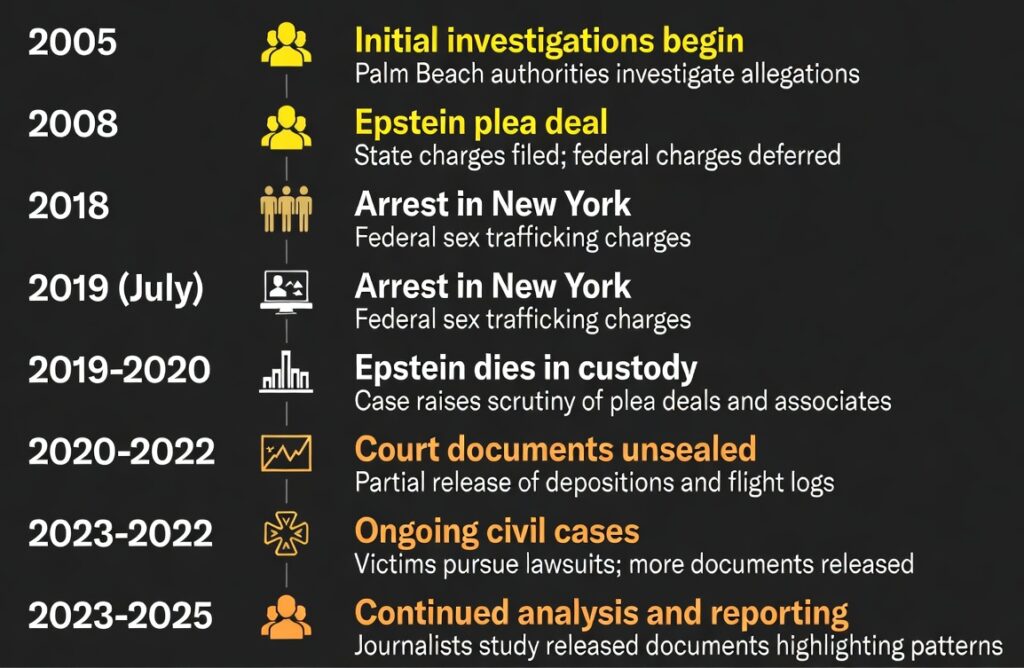
Timeline of Key Events
Conclusion
The Epstein files matter because they provide historical and procedural insight into one of the most complex legal cases of recent decades. Therefore, readers should focus on verified facts, documented patterns, and procedural information rather than speculation. Ultimately, responsible engagement with these files ensures public understanding without causing legal or reputational harm. The Epstein files reflect the tension between transparency and privacy, highlighting the importance of careful analysis and ethical reporting.
Frequently Asked Questions (FAQ)
Are all names mentioned in the Epstein files guilty?
No. Being mentioned in court documents or records does not imply criminal liability. Only verified convictions establish guilt.
Why were some Epstein documents sealed for years?
Documents were sealed to protect ongoing investigations, privacy, and sensitive legal proceedings.
Are more Epstein files expected to be released?
Possibly, but future releases will be subject to legal review and privacy considerations.